Safe Holistic Therapies for Chronic Pain: No Drugs Needed
TL;DR:
- Evidence supports acupuncture, yoga, and Tai chi as modest, safe options for managing chronic pain.
- Proper provider credentials, safety considerations, and individual health history are key to effective holistic therapy choices.
- Combining multiple therapies like movement, mindfulness, and acupuncture offers the best chance for pain relief.
Choosing a safe, effective therapy for chronic pain without relying on pharmaceuticals sounds simple until you actually start looking. The options are overwhelming, the claims are bold, and the evidence behind them varies wildly. For people in Carson City and Reno searching for real relief, sorting the genuinely helpful from the overhyped requires a clear framework. National guidelines from organizations like the NCCIH now formally recognize several non-drug therapies as legitimate first-line options. This article walks you through exactly how to evaluate your choices, what the evidence actually shows for top therapies, and how to build a plan that fits your body and your life.

Table of Contents
- How to evaluate safe holistic therapies
- Acupuncture: Evidence, safety, and who benefits
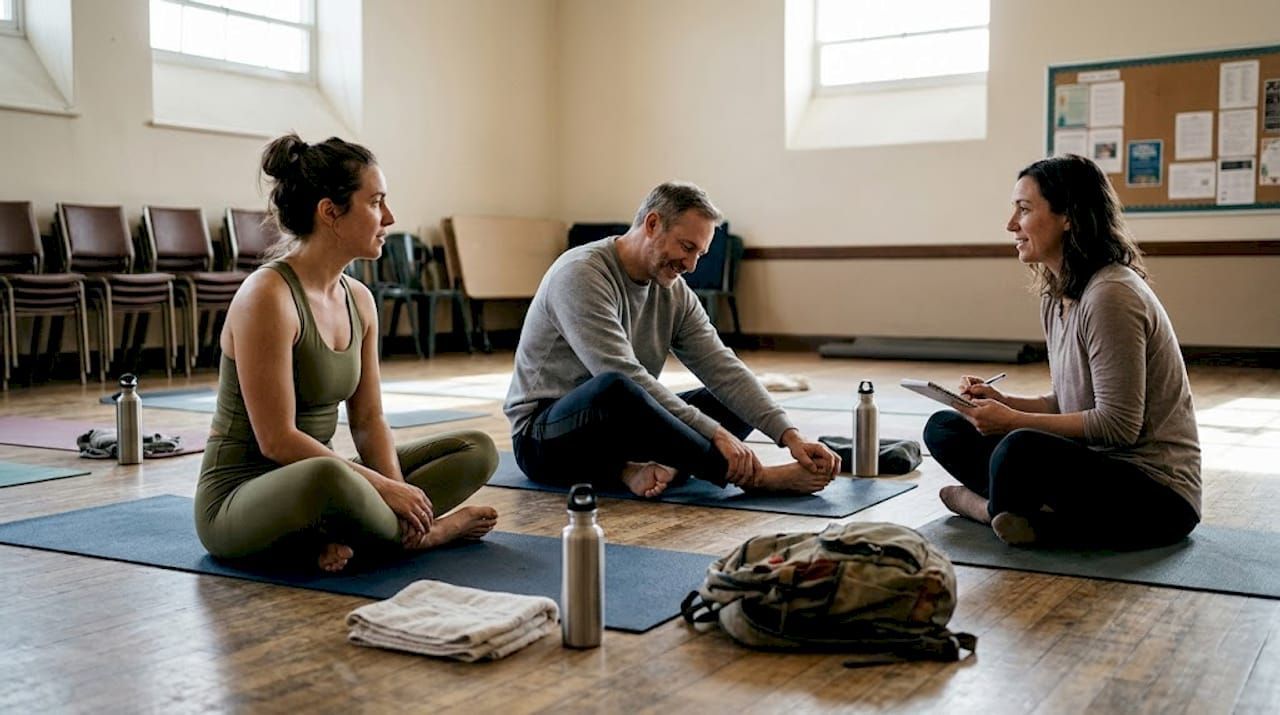
- Movement therapies: Tai chi, yoga, and qigong for pain relief
- Massage, mindfulness, and relaxation therapies
- The uncomfortable truth about holistic pain therapies: What works, what's overhyped
- Next steps: Holistic therapy options in Carson City and Reno
- Frequently asked questions
Key Takeaways
| Point | Details |
|---|---|
| Safety comes first | Choose therapies with documented low adverse event rates and review contraindications with your doctor. |
| Evidence matters most | Prioritize acupuncture, tai chi, yoga, and exercise therapies backed by moderate-quality research for chronic pain relief. |
| Holistic is not a cure | Holistic therapies provide symptom management, not a full cure, and work best combined in multimodal strategies. |
| Local expertise available | Providers in Carson City and Reno offer safe, guided holistic therapies with personalized approaches. |
How to evaluate safe holistic therapies
Not every therapy labeled "natural" is automatically safe or effective. That's the first thing to understand. When you're managing chronic pain, the stakes are real, and picking the wrong approach can waste time, money, or even worsen your condition.
Here's what to look for when evaluating any holistic therapy:
- Safety profile: Prioritize therapies with documented low adverse event rates. According to NCCIH chronic pain safety guidelines, these therapies are generally safe with low serious adverse event rates, though minor risks like muscle soreness from massage or yoga, and rare infections from acupuncture, do exist. Some should be avoided entirely if you have bleeding disorders or are pregnant.
- Evidence quality: Look for therapies reviewed by credible sources like the NCCIH, the Cochrane Collaboration, or the American College of Physicians. Peer-reviewed research and systematic reviews carry far more weight than testimonials.
- Individual contraindications: Your personal health history matters. What works well for one person may be risky for another. Pregnancy, active infection, recent surgery, and certain medications can all affect which therapies are appropriate.
- Practitioner credentials: A qualified, licensed provider dramatically lowers your risk and improves outcomes. Check certifications specific to the therapy you're considering.
- Realistic expectations: Holistic therapies typically reduce pain intensity and improve function. They rarely eliminate pain entirely, and honest providers will tell you that upfront.
Understanding non-invasive therapy safety basics before your first appointment helps you ask smarter questions and set accurate expectations.
Pro Tip: Before starting any new holistic therapy, bring a list of your current medications and diagnoses to your healthcare provider. Some supplements and manual therapies interact with blood thinners and other prescriptions in ways that aren't obvious.
The goal here isn't to be fearful. It's to be informed. Most people tolerate these therapies very well. A little preparation goes a long way toward making your experience both safe and effective.
Acupuncture: Evidence, safety, and who benefits
Acupuncture is one of the most studied non-drug therapies for chronic pain, and the results are genuinely encouraging. Fine needles are inserted into specific points on the body to influence pain signals and promote healing responses. It sounds unusual, but the evidence is consistent enough that major medical institutions now recommend it.
Acupuncture provides modest pain relief for chronic pain conditions including low-back pain, neck pain, osteoarthritis, and fibromyalgia, supported by low- to moderate-quality evidence. The word "modest" matters here. Acupuncture won't eliminate severe pain overnight, but it reliably reduces intensity and improves day-to-day function for many people.
Conditions that respond well to acupuncture include:
- Chronic low-back pain: One of the most evidence-supported uses, often reducing pain scores meaningfully over a series of sessions.
- Neck pain: Both acute flare-ups and long-term tension respond to targeted needle placement.
- Osteoarthritis: Particularly knee osteoarthritis, where it complements physical therapy well.
- Fibromyalgia: Results vary, but some patients report significant improvements in sleep and pain levels.
"Individualized acupuncture consistently exceeds the minimum clinically important difference on the Visual Analog Scale, meaning patients feel a real, meaningful change in their pain." This finding, echoed in integrative pain management research, reinforces why acupuncture belongs in serious pain conversations.
Safety is a legitimate concern. Serious complications are rare, but infections have occurred with improperly sterilized needles. Always verify that your acupuncturist uses single-use, sterile needles and holds a valid state license.
Who should skip acupuncture? People with active bleeding disorders, those on heavy anticoagulant therapy, or anyone with a needle phobia significant enough to cause panic should discuss alternatives. Certain body areas are also avoided during pregnancy.
For people open to natural chronic pain solutions, a course of six to ten acupuncture sessions is often recommended before evaluating results. Consistency matters more than single visits.

Movement therapies: Tai chi, yoga, and qigong for pain relief
Movement-based therapies are gaining serious ground in pain research, and for good reason. They address multiple contributors to chronic pain at once: muscle weakness, poor flexibility, nervous system dysregulation, and emotional stress.
Tai chi, yoga, and qigong offer preliminary encouraging evidence for fibromyalgia symptoms and low-back pain. The American College of Physicians now includes yoga in its nonpharmacologic first-line treatment guidelines, which is a significant endorsement from a mainstream medical body.
The research is specific enough to be actionable. Exercise therapies like Tai Chi, practiced 15 to 30 minutes three times per week for 16 or more weeks, probably reduce pain and improve function compared to no treatment, with standardized effect sizes ranging from 0.4 to 0.8. That's a meaningful clinical improvement, not a minor statistical blip.
| Therapy | Session duration | Frequency | Primary benefit | Best evidence for |
|---|---|---|---|---|
| Tai chi | 30 to 60 min | 3x per week | Balance, joint pain | Osteoarthritis, fibromyalgia |
| Yoga | 45 to 90 min | 2 to 3x per week | Flexibility, stress | Low-back pain, anxiety-related pain |
| Qigong | 20 to 40 min | Daily or 3x per week | Relaxation, energy | Fibromyalgia, fatigue |
The safety profile for all three is favorable. Minor muscle soreness during the first few weeks is normal. Avoid pushing through sharp joint pain, and modify poses when needed. Classes designed for chronic pain or seniors use gentler variations that reduce injury risk significantly.
Exploring exercise therapies for chronic pain as a starting point helps you match the right movement style to your specific condition and fitness level.
Pro Tip: Track your pain levels and energy on a simple 1 to 10 scale each week. After eight weeks of consistent practice, reviewing those numbers will tell you clearly whether the therapy is working for your body.
Massage, mindfulness, and relaxation therapies
Building a pain management approach that works long-term almost always means targeting both the physical and psychological sides of pain. That's where massage, mindfulness, and relaxation therapies earn their place.
Massage therapy shows low-quality evidence for pain relief in neck pain and low-back pain, and clinical guidelines specifically recommend it for cancer pain management. Low-quality evidence doesn't mean it doesn't work. It means the research has limitations, often because standardizing massage techniques for clinical trials is genuinely difficult. Patient-reported outcomes are frequently positive.
Mindfulness-based stress reduction, progressive muscle relaxation, and biofeedback have low-quality evidence for modest benefits across various chronic pain conditions. These approaches work by changing how the brain processes pain signals, reducing the emotional amplification that makes chronic pain so exhausting.
| Therapy | Evidence strength | Safety level | Accessibility | Best suited for |
|---|---|---|---|---|
| Massage | Low to moderate | High | Moderate cost | Neck, back, cancer pain |
| Mindfulness | Low | Very high | Low cost, apps available | Widespread chronic pain, stress |
| Progressive relaxation | Low | Very high | Very low cost, self-guided | Sleep disruption, anxiety-driven pain |
Key benefits of adding these to your plan:
- Massage reduces muscle tension and can lower cortisol, the stress hormone that amplifies pain perception.
- Mindfulness rewires pain-related thought patterns over time, reducing catastrophizing (excessive fear about pain) which is a major driver of disability.
- Relaxation techniques are completely free, require no equipment, and can be practiced anywhere.
The holistic pain management guide at Agapé Healing and Wellness covers how to layer these approaches into a realistic weekly routine without overwhelming yourself.
The uncomfortable truth about holistic pain therapies: What works, what's overhyped
Here's what most articles won't tell you plainly: holistic therapies are not a cure for chronic pain. They are tools for management, and some tools are sharper than others.
The evidence for acupuncture and movement therapies is real but modest. The evidence for many supplements, energy devices with no clinical trials, and some alternative protocols is mostly anecdotal. That gap matters enormously when you're making decisions about your health and your money.
Contrasting views in the research show that while NCCIH and Cochrane support modest benefits, some scientists argue that placebo effects and low-quality trial designs inflate results. Both perspectives deserve your attention.
What actually works in practice? Multimodal strategies. Combining movement therapy with mindfulness, or acupuncture with massage, consistently outperforms any single approach. The holistic vs conventional medicine conversation is most productive when you stop treating it as either/or.
Be especially cautious about providers who promise dramatic results quickly, discourage you from conventional care entirely, or sell proprietary supplements alongside therapy. Legitimate holistic practitioners welcome collaboration with your medical team.
Next steps: Holistic therapy options in Carson City and Reno
You now have a solid foundation for evaluating which therapies fit your situation. The next move is finding a provider who applies that same evidence-first thinking to your care.
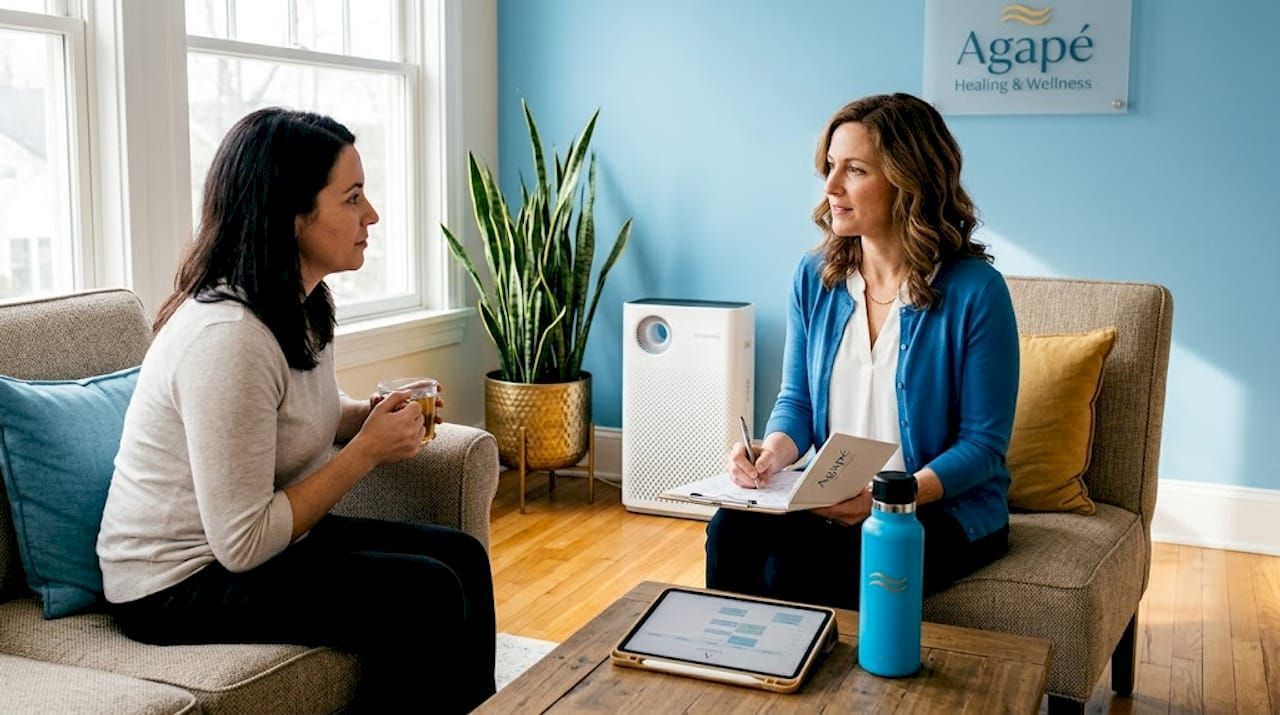
At Agapé Healing and Wellness in Carson City, we specialize in non-invasive therapies designed specifically for people who want relief without pharmaceuticals or surgery. From red light therapy in Carson City that supports cellular repair and reduces inflammation, to personalized wellness coaching in Carson City that builds a realistic, sustainable pain management plan, our approach is tailored to your unique health history. We don't do one-size-fits-all. Book a consultation and let's find what actually works for your body.
Frequently asked questions
Are holistic therapies truly safe for chronic pain relief?
Most holistic therapies carry low serious risk, with minor side effects like soreness being most common. Always discuss your health history with your doctor and check for contraindications, particularly if you have bleeding disorders or are pregnant.
Which holistic therapy offers the best evidence for pain relief?
Acupuncture, tai chi, and yoga currently hold the strongest research support. Acupuncture shows modest but consistent relief for conditions like fibromyalgia, low-back pain, and osteoarthritis based on low- to moderate-quality evidence.
Can holistic therapies replace pharmaceuticals completely?
For most people, holistic therapies work best as part of a broader plan rather than a full replacement. Evidence supports modest symptom management, and multimodal approaches consistently outperform single therapies used alone.
Is massage therapy effective for chronic pain?
Massage therapy has low-quality evidence for pain relief in neck and low-back pain, and clinical guidelines specifically recommend it as part of cancer pain management protocols.
How can I find a qualified holistic therapy provider near me?
Look for wellness centers that reference credible research, hold appropriate practitioner licenses, and personalize treatment rather than offering generic packages. Agapé Healing and Wellness in Carson City specializes in safe, evidence-aware holistic therapies for chronic pain.
Recommended
- Holistic Chronic Pain Management Natural Solutions That Work
- Guide to holistic pain management for chronic relief 2026
- Holistic Detox Methods: Natural Relief for Chronic Pain
- Holistic Healing: Addressing Chronic Pain Naturally
- Non-surgical orthopedic treatments: your step-by-step relief guide
- Top herbs for holistic wellness: relief for inflammation & swelling – Gutted.